San Mateo County Sees Jump in Rabid Bats After 2 Years With No Cases
Key points
- Six bats tested positive for rabies in San Mateo County during the final three months of 2025.1
- A rabid bat was found near Little People’s Park at the Portola Valley Town Center on October 24, 2025.1
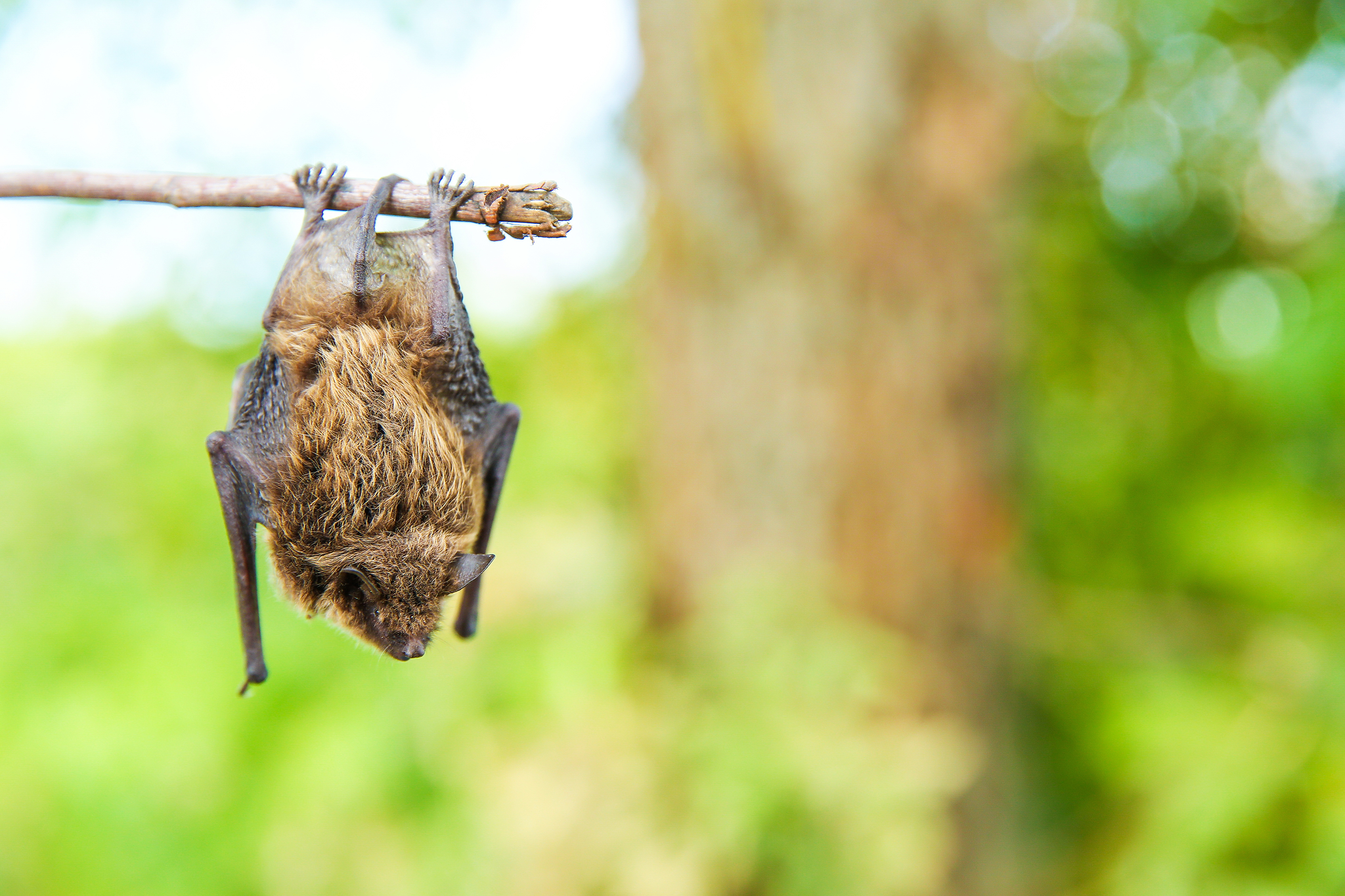
- Bats are among the animals most often found with rabies in the United States.2
- The CDC recommends immediate assessment after direct contact with a bat unless a bite or scratch can be definitively ruled out.3
- Rabies is a fatal but preventable disease, and prompt medical care after a potential exposure is critical.2
San Mateo County Sees Jump in Rabid Bats After 2 Years With No Cases
San Mateo County reported an increase in bats testing positive for rabies in 2025 after 2 years without a positive rabies test. Of the 13 bats tested between October 1 and December 31, 6 tested positive for rabies. None of the 30 bats tested earlier in 2025 were found to carry the virus.1
In total, San Mateo County tested 140 animals in 2025, including 43 cats, 30 dogs, and one unidentified animal, but only bats tested positive for rabies.1
Rabid Bat Found Near Portola Valley Playground
On October 24, 2025, a dead bat found near Little People’s Park playground at the Portola Valley Town Center tested positive for rabies. San Mateo County Health encouraged anyone who might have been exposed to contact their medical provider. According to the article, no people or their animals came forward.1
On the same day, San Mateo County Health officials tested a rabid bat in Half Moon Bay. The positive tests marked the first reported rabies detection in the county in 2 years.1
Why Are Bats a Rabies Concern?
In the United States, more than 90% of reported rabies cases in animals occur in wildlife. Bats are among the animals most often found with rabies, along with raccoons, skunks, and foxes.2
The CDC recommends immediate assessment after direct contact with a bat unless a bite or scratch can be definitively ruled out.3
Rabies virus can be transmitted through direct contact between broken skin or mucous membranes and infectious tissue or fluids, including saliva.3
What Should You Do After Possible Bat Exposure?
A rabies risk assessment should be conducted by a health official familiar with rabies.3 If you have had direct contact with a bat, the CDC recommends immediate assessment unless a bite or scratch can be definitively ruled out.3
If you have been in contact with wildlife or an unfamiliar animal, particularly if you have been bitten or scratched, wash any wounds immediately with soap and water for 15 minutes.4
The CDC also recommends talking with a healthcare or public health professional about your risk and whether you need rabies-related care.4
Bats are specifically included among the high-risk animals identified by the CDC. The CDC states that if a bite is from a high-risk animal such as a bat, postexposure prophylaxis should begin right away.4
What Is Rabies Postexposure Prophylaxis?
Rabies is a fatal but preventable viral disease. Medical care following a rabies exposure is called postexposure prophylaxis (PEP).2
For people who have never had a rabies vaccine, the CDC states that PEP consists of wound washing, a dose of human rabies immune globulin (HRIG), and a rabies vaccine given at the time of the first medical visit.3
The CDC's "About rabies" guidance describes PEP as including a series of 4 or 5 rabies vaccines that must be administered as soon as possible after exposure.2
PEP is nearly 100% effective if administered promptly.2
Why Prompt Rabies Evaluation Matters
After a rabies exposure, the virus must travel to the brain before it can cause symptoms. The time between exposure and the appearance of symptoms is the incubation period, which may last for weeks to months.3
The first symptoms of rabies may include weakness or discomfort, fever or headache. There may also be discomfort, prickling, or itching at the site of the bite.3
Rabies can cause severe disease and death if appropriate and urgent PEP is not received after an exposure and before symptoms begin.3
Protecting People and Pets From Rabies
The CDC recommends keeping pets up to date on their rabies vaccines and staying away from wildlife for both human and animal safety.2
The CDC also recommends washing bites or scratches immediately with soap and water and seeking medical care shortly after potential exposures.2
The American Veterinary Medical Association recommends supervising dogs when they are outside and observing wild animals from a distance.5
The increase in rabid bats reported in San Mateo County highlights the importance of avoiding direct contact with bats and following public health guidance after a potential exposure.1,3
References
-
Margulis, Arden. San Mateo County sees big jump in rabid bats after 2 years with no cases. The Almanac. Published February 23, 2026. Accessed August 26, 2026. https://www.almanacnews.com/environment/2026/02/23/san-mateo-county-sees-big-jump-in-rabid-bats-after-two-years-with-no-cases/.
- Centers for Disease Control and Prevention. About rabies. Updated June 21, 2024. Accessed August 26, 2026. https://www.cdc.gov/rabies/about/index.html.
- Centers for Disease Control and Prevention. Clinical overview of rabies. Updated July 15, 2025. Accessed August 26, 2026. https://www.cdc.gov/rabies/hcp/clinical-overview/index.html.
- Centers for Disease Control and Prevention. Rabies prevention and control. Updated July 1, 2025. Accessed August 26, 2026. https://www.cdc.gov/rabies/prevention/index.html.
- American Veterinary Medical Association. Preventing rabies. Accessed August 26, 2026. https://www.avma.org/resources-tools/one-health/preventing-rabies.
Disclaimer: Grifols is not affiliated with or responsible for the content sources used in this article.
©2026 Grifols. All rights reserved. August 2026.