Rabid Skunk in Cherry Hill, NJ: What Residents Need to Know About Rabies Exposure
Key points
- A rabid skunk was confirmed in Cherry Hill, New Jersey, after an encounter with 2 dogs.
- Two residents and 2 vaccinated dogs were potentially exposed to rabies.
- Health officials advised exposed individuals to consult their physicians about post-exposure prophylaxis (PEP).
- Skunks are among the wildlife species most commonly associated with rabies in the United States.
- Rabies is preventable with prompt medical evaluation and appropriate treatment after exposure.
Rabies Discovery in Cherry Hill, NJ
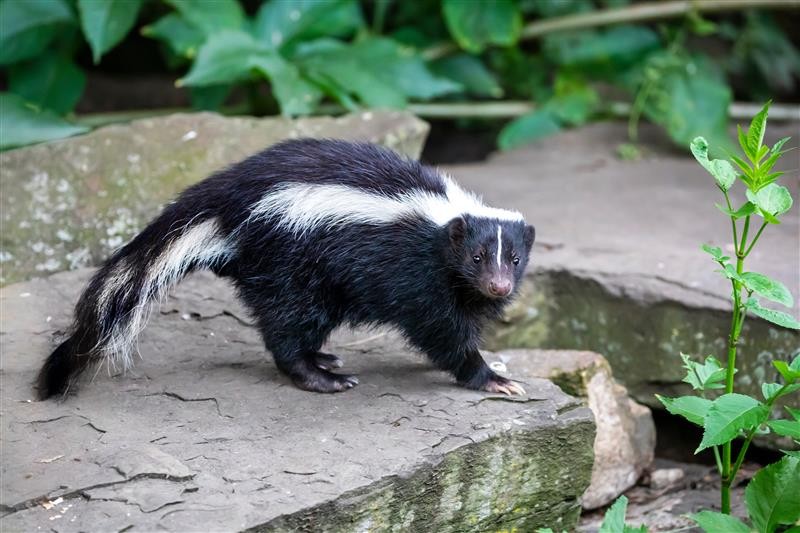
A skunk in Cherry Hill, New Jersey, has tested positive for rabies after an altercation with 2 dogs in a backyard on February 20, 2026. According to the Camden County Department of Health and Human Services, 2 residents and their 2 dogs may have been exposed.
The skunk was safely trapped and later confirmed rabid by the state Public Health & Environmental Laboratories on February 2026.1
The residents were advised to consult their physicians regarding possible post-exposure prophylaxis (PEP). Both dogs involved were vaccinated against rabies and were confined for 4 months.1
While situations like this can be alarming, rabies is a fatal but preventable viral disease. Immediate medical attention following suspected rabies exposure is critical.2
Rabies in Skunks: A Known Wildlife Risk
Rabies spreads to people and pets primarily through bites or scratches from an infected animal. Rabies primarily affects the central nervous system, leading to severe brain disease and death if medical care is not received before symptoms start.2
In the United States, more than 90% reported cases, with bats (35%), raccoons (29%), skunks (17%), and foxes (8%) most often exposing Americans to rabies.3
While pet or human exposure to skunks is not very common in the US, when it does occur, >20% of those skunks have rabies. This means that a bite or scratch from a skunk carries the highest risk of rabies exposure to people and pets in the US.3
When Should You Seek Medical Care After Wildlife Exposure?
If you have contact with wildlife, especially high-risk animals like skunks, you should take immediate action.2 Wash wounds immediately with soap and water for 15 minutes. After cleaning the wound, contact a healthcare provider or your local health department right away.4
Rabies post-exposure prophylaxis (PEP) includes wound care, a dose of human rabies immune globulin (HRIG) for individuals who were not previously vaccinated, and a series of 4 or 5 rabies vaccine doses administered as soon as possible after exposure.2
PEP is nearly 100% effective when administered promptly.2
Exposure to high-risk wildlife, including skunks, may require prompt initiation of PEP, especially in cases of severe bites or exposures near the head and neck.5
Why Quick Action Matters
After exposure, the rabies virus travels through the nerves to the brain. The incubation period may last weeks to months. Early symptoms may resemble the flu, including weakness, fever, or headache.6
Once clinical signs appear, rabies is nearly always fatal.4 Immediate evaluation following potential exposure is critical.2
Protecting Pets and Families from Rabies2,4
- Keeping pets up to date on rabies vaccinations reduces risk.
- Keep wildlife at a distance.
- Wash bites or scratches immediately.
- Seek medical care shortly after potential exposure.
- Supervise pets outdoors and prevent roaming.
- If your pet is bitten, consult your veterinarian immediately and report the incident to local authorities
Rabies Remains Rare — But Serious
Rabies is rare in humans in the United States, with fewer than 10 deaths reported annually. Tens of thousands of Americans receive post-exposure prophylaxis following potential exposures each year.2
References
- Sinclair, F S. Rabid Skunk Found in Cherry Hill, New Jersey, 2 People, 2 Dogs Possibly Exposed, Health Officials Say. CBS News Philadelphia. Published February 26, 2026. Accessed March 11, 2026. https://www.cbsnews.com/philadelphia/news/rabid-skunk-cherry-hill-new-jersey/
- Centers for Disease Control and Prevention. About rabies. June 21, 2024. Accessed March 11, 2026. https://www.cdc.gov/rabies/about/index.html
- Centers for Disease Control and Prevention (CDC). Rabies in the United States: protecting public health. Updated September 30, 2025. Accessed April 9, 2026. https://www.cdc.gov/rabies/php/protecting-public-health/index.html
- American Veterinary Medical Association. Rabies. Accessed March 11, 2026. https://www.avma.org/resources-tools/one-health/rabies
- Centers for Disease Control and Prevention. When to seek medical care for rabies. Updated June 11, 2024. Accessed March 11, 2026. https://www.cdc.gov/rabies/when-to-seek-care/index.html
- Centers for Disease Control and Prevention. Clinical overview of rabies. Updated July 15, 2025. Accessed March 11, 2026. https://www.cdc.gov/rabies/hcp/clinical-overview/index.html
Disclaimer: Grifols is not associated with the news source cited in this article.
©2026 Grifols. All rights reserved. May 2026.